In the world of moving images, two terms often get used interchangeably: Videography and Cinematography. While both involve capturing footage that tells a story or documents a moment, they represent fundamentally different approaches, mindsets, and production scales.
At RealityBox, we live and breathe cinematic storytelling, creating visually immersive films for destinations, hotels, brands, and experiences. Understanding this distinction helps explain why our work leans heavily toward the cinematographic side of the spectrum.
What is Videography?
Videography is the process of recording moving images, typically with an emphasis on capturing reality as it unfolds. Videographers prioritize documentation, clarity, and efficiency.
Common characteristics of videography include:
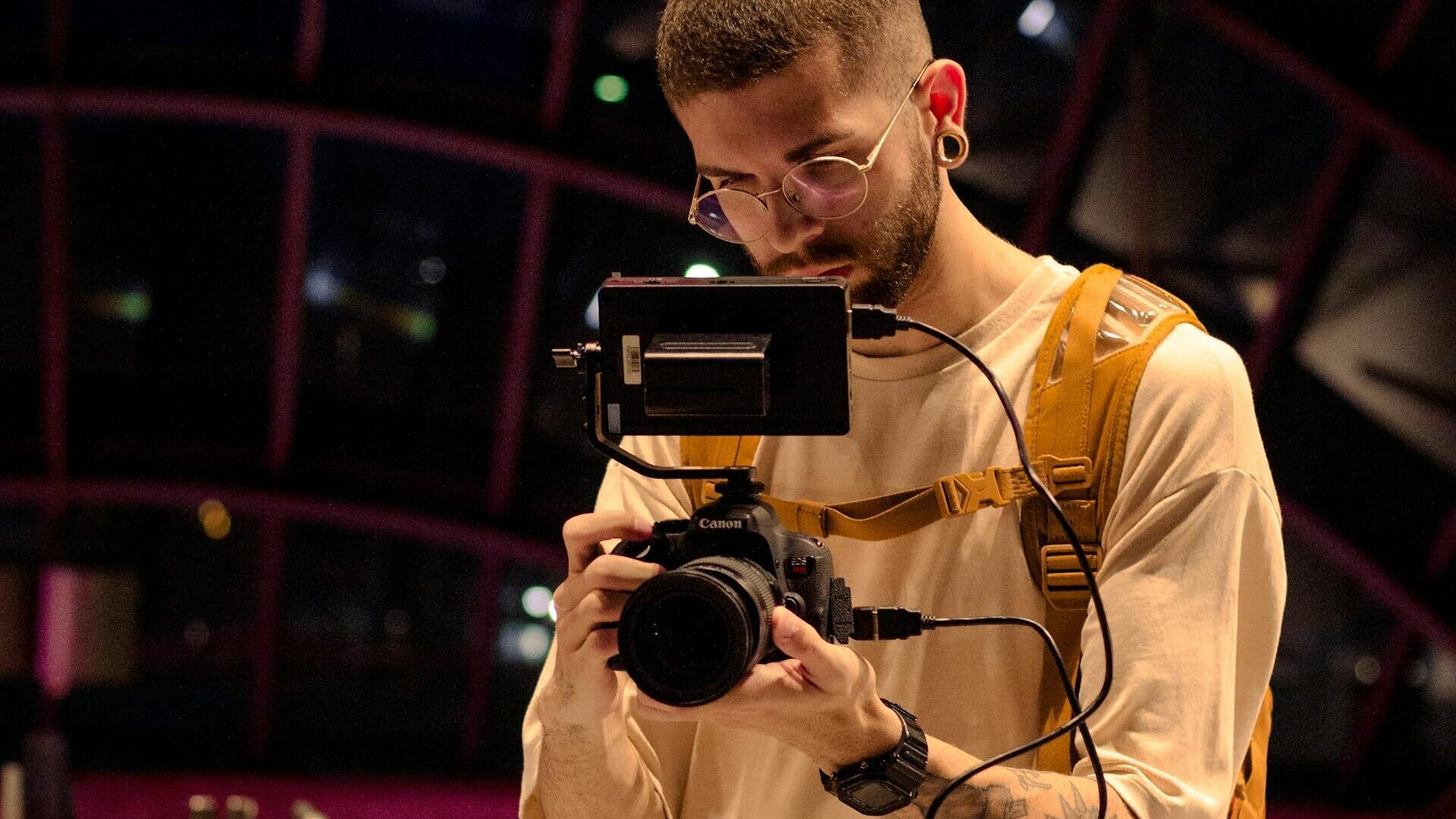
- Event-based or real time capture: Weddings, corporate events, conferences, live performances, sports, interviews, real estate tours, YouTube content, social media reels.
- Smaller teams: Often a single person (or 1–3 people) handling camera, audio, lighting, and sometimes even basic editing.
- Practical & functional lighting: Using available light, quick LED setups, or simple three point lighting to ensure the subject is clearly visible.
- Run and gun style: Quick setups, minimal rehearsal, adapting to unpredictable conditions.
- Focus on content & message: The goal is usually to inform, promote, or preserve the moment rather than evoke deep emotion through visuals alone.
- Tools: DSLR/mirrorless cameras, gimbal stabilizers, wireless mics, drones for quick aerials, editing in Premiere Pro or similar.
Videography is about capturing life, not necessarily reshaping it.
What is Cinematography?
Cinematography is the art and technique of creating visually expressive images that serve a larger narrative. The cinematographer (often called the Director of Photography or DP) is the visual storyteller working closely with the director to design every frame.
Key aspects of cinematography include:
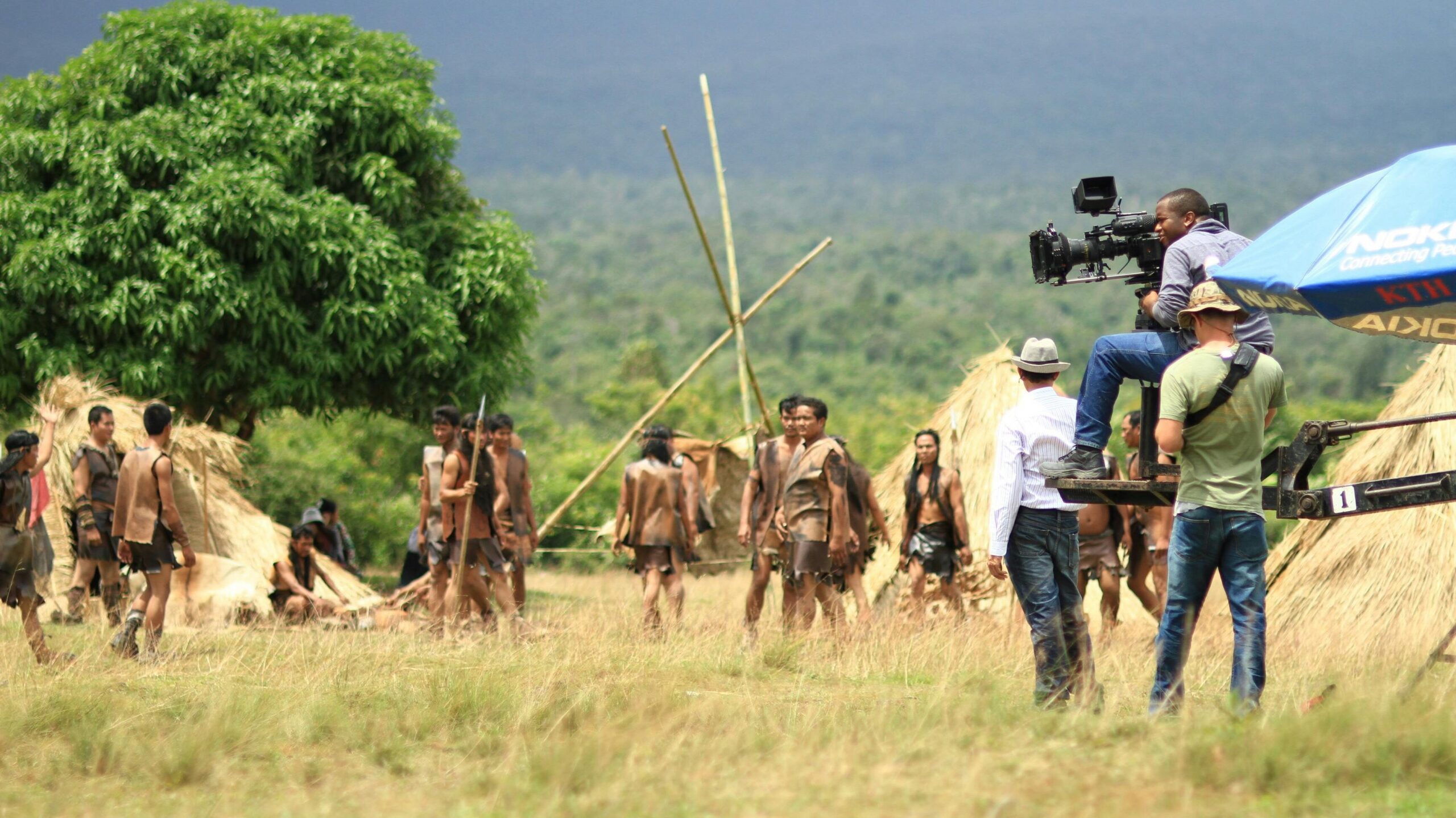
- Narrative driven & scripted: Feature films, TV series, high end commercials, branded short films, music videos, cinematic travel/destination films.
- Larger teams: Gaffer (lighting), key grip, camera operators, focus puller, DIT (digital imaging technician), colorist, etc.
- Meticulous pre-production: Storyboarding, shot lists, location scouts, extensive lighting plots, camera tests.
- Artistic lighting design: Creating mood, depth, texture, and emotion through motivated lighting, practicals, HMIs, LEDs, diffusers, negative fill, color temperature control.
- Deliberate composition & movement: Using lenses, aspect ratios, camera movement (dolly, crane, Steadicam, drone choreography), depth of field, focus pulls to guide the viewer’s eye and emotion.
- Post-production integration: Working hand-in-hand with color grading, VFX, sound design to achieve a unified cinematic look.
- Tools: Cinema cameras (ARRI Alexa, RED, Sony Venice), anamorphic lenses, high-end cinema optics, stabilized rigs, precise monitoring.
Cinematography is about crafting a visual world, whether realistic or stylized, to immerse and emotionally move the audience.
| Aspect | Videography | Cinematography |
| Primary Goal | Document / Inform / Promote | Evoke emotion / Tell a cinematic story |
| Production Scale | Small (1–3 people) | Medium to large (departmental) |
| Planning Level | Minimal to moderate | Extensive pre-production |
| Lighting Approach | Functional & quick | Artistic, motivated, layered |
| Camera Movement | Practical (gimbal, handheld) | Choreographed (dolly, crane, sliders) |
| Typical Projects | Weddings, events, corporate, social | Films, series, premium brand content, destination films |
| Mindset | Capture what’s there | Design & control the frame |
The Overlap & Modern Blurring of Lines
In 2025–2026, the lines have blurred more than ever:
- Affordable cinema cameras (Sony FX series, Blackmagic, Canon C-series) allow solo creators to achieve cinematic looks.
-
- High-end destination videos, brand films, and music videos often blend both worlds, run and gun shooting combined with cinematic lighting and post-production.
- Many talented videographers evolve into cinematographers as projects scale.
At RealityBox, we embrace this evolution. Our destination films start with authentic location capture but are elevated through deliberate cinematic choices, color palettes that evoke emotion, drone choreography that reveals scale, lighting that makes golden hour last forever, and editing that turns footage into feeling.Final ThoughtVideography records moments.Cinematography creates unforgettable experiences.If you’re a destination, brand, or hotel looking to go beyond standard promotional video and truly transport your audience, making them feel the place before they ever arrive, that’s where cinematography lives.That’s the RealityBox difference.Ready to turn your story into cinema? Contact us to discuss your next cinematic project.