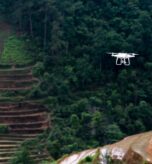
Drone filmmaking has revolutionised storytelling. What once demanded helicopters, huge crews, and massive budgets is now within reach for independent creators, travel filmmakers, brands, and content producers. Drones deliver stunning aerial perspectives that add scale, emotion, and cinematic flair to any project.
However, this power comes with serious responsibility. Flying safely, legally, and creatively is essential to protect yourself, others, and your gear while producing footage that truly elevates your narrative.
If you’re new to drone filmmaking, this guide covers the essentials: updated legal rules (especially for India), must follow safety practices, beginner friendly drone recommendations, key creative shots, pro tips for cinematic results, common pitfalls, and how to integrate drone footage into compelling stories.
Why Drone Footage Transforms Modern Storytelling
Aerial shots instantly boost production value by:
- Establishing locations and massive scale
- Delivering emotional impact through grand reveals
- Enabling smooth, dynamic transitions
- Providing geographical context and immersion
- Driving higher engagement on platforms like YouTube, Instagram, and TikTok
For travel vlogs, tourism videos, hospitality branding, real estate showcases, or lifestyle content, drone clips often become the most memorable and shareable elements.
But before launching, master the rules.
1. Drone Rules & Legal Guidelines (Know Before You Fly)
Regulations vary by country and violations can lead to fines, confiscation, or legal trouble. Always verify the latest rules via official sources before flying.
In Flying in India (DGCA Guidelines – Current as of 2026)
The Directorate General of Civil Aviation (DGCA) oversees drones through the Digital Sky platform (digitalsky.dgca.gov.in). Key requirements include:
- Registration: Most drones (except nano category under 250g for non-commercial use) must be registered on Digital Sky to obtain a Unique Identification Number (UIN).
- Remote Pilot Certificate (RPC): Required for many operations, especially commercial flights, heavier drones, or flights in controlled airspace. Hobby nano drone users may be exempt in some cases, but check updates.
- Altitude Limit: Generally 120 meters (400 feet) above ground level.
- No Fly Zones: Strictly prohibited near airports (typically within 3–5 km), military installations, international borders, Vijay Chowk (Delhi), state secretariats, densely populated areas, or other restricted zones. Use Digital Sky for real time airspace approval (No Permission, No Takeoff NPNT system).
- Other Rules: Maintain visual line of sight (VLOS), no flying over crowds or private property without permission, and follow category-based restrictions (nano, micro, small, medium, large).
Pro Tip: Before any shoot in India, log into Digital Sky, check airspace maps, and apply for permissions if needed. Rules evolve (e.g., recent amendments and draft bills in 2025), so cross check the official DGCA site or portal.
🌍 International Flying
- USA: FAA Part 107 for commercial; registration and remote ID for most.
- Europe: EASA categories with operator registration and competency tests.
- Many countries ban or heavily restrict recreational drones research thoroughly before travel.
Always carry insurance and local permits when shooting abroad.
2. Safety First: Essential Pre Flight Checklist
Run this checklist every time to minimise risks:
Equipment Check
- Batteries fully charged (drone + controller)
- SD card inserted, formatted, and with ample space
- Propellers secure, balanced, and undamaged
- Firmware up to date
- Compass and IMU calibrated (if prompted)
Environmental Check
- Wind speed under 20–25 km/h (drones struggle in gusts)
- No rain, fog, or high humidity
- Watch for birds, especially near water or cliffs
- Strong GPS lock
Airspace & Site Check
- No restricted or no-fly zones (use apps like Digital Sky, UAV Forecast, or AirMap)
- Visual line of sight at all times
- Clear of crowds, people, vehicles, or animals
- Permission for private land or public spaces
Safety isn’t optional, it’s what separates amateurs from professionals.
3. Choosing the Right Beginner Drone
You don’t need a flagship model to start creating great content. Prioritize:
- 3-axis gimbal for smooth, stabilized footage
- 4K (or higher) video at 30/60 fps
- Basic obstacle avoidance sensors
- 25–30+ minute flight time per battery
- Reliable return-to-home (RTH) and GPS features
Popular beginner to mid options include models from DJI (like Mini series for lighter regs or Air/Mavic for more features). These deliver prO level results for social media, YouTube, or client work.
4. Must-Master Creative Drone Shots
Here are beginner friendly shots that deliver maximum impact:
1. The Reveal Shot
Start low behind a foreground element (tree, rock, building) and slowly ascend or push forward to unveil the full landscape. Ideal for travel openings or dramatic location intros.
2. The Top Down (Bird’s Eye View)
Fly directly overhead to capture symmetry, patterns, and textures think winding roads, beaches, farmlands, or city grids. Perfect for striking social thumbnails.
3. The Orbit Shot
Smoothly circle a subject (person, monument, vehicle, or natural feature) at consistent altitude and speed. Slow orbits feel luxurious and cinematic.
4. The Push In / Pull Out (Dolly Zoom Effect)
Gently fly toward or away from your subject to build tension or emphasize isolation. Great for temples, mountain peaks, or lone figures.
5. The Tracking Shot
Follow a moving subject (walker, cyclist, car, boat) at matching speed. Adds energy and narrative drive.
5. Pro Tips for Cinematic Aerial Footage
- Shoot in Manual: Follow the 180° shutter rule (shutter speed ≈ 1/(2 × frame rate)), use flat/log profiles for grading, and add ND filters in bright light.
- Slow & Smooth Wins: Avoid fast jerky moves-cinematic drone work is deliberate and graceful.
- Audio: Drone props create noise, so record clean ambient sound separately and sync in post.
- Golden Hour Magic: Sunrise/sunset offers warm light, long shadows, and softer contrasts.
6. Common Beginner Mistakes to Avoid
- Flying unnecessarily high (stay purposeful)
- Overloading edits with too many drone shots
- Jerky controller inputs (practice smooth sticks)
- Ignoring wind or weather warnings
- Poor battery planning (always land with reserve)
Drone footage should enhance the story not dominate it.
7. Integrating Drone Shots into Storytelling
Use aerials strategically:
- As powerful establishing/opening shots
- For seamless location transitions
- To show scale, isolation, or grandeur
- In conclusions with epic pull aways
Balance with ground level shots, close ups, interviews, and human elements to add emotion and relatability.
8. Editing Drone Footage Professionally
- Stabilize lightly if needed (most modern drones are rock-solid)
- Apply subtle cinematic color grading (avoid extremes)
- Skip heavy sharpening preserve natural look
- Use smooth cros-dissolves or match cuts
- Sync pacing to music for emotional flow
Let shots breathe in slower-paced edits.
Final Thoughts: Fly Smart, Tell Better Stories
Drone filmmaking is about perspective, not just altitude. When approached responsibly, it empowers you to:
- Elevate brand and client videos
- Create immersive travel narratives
- Boost engagement across platforms
- Capture unforgettable cinematic moments
Start conservatively: respect regulations, prioritize safety, practice techniques, and always let the story guide your shots.
With great altitude comes great responsibility. Fly smart, create boldly, and turn your vision into breathtaking reality.
Reality Box – Crafting compelling visual stories with precision and creativity.